How the Body Remembers Stability
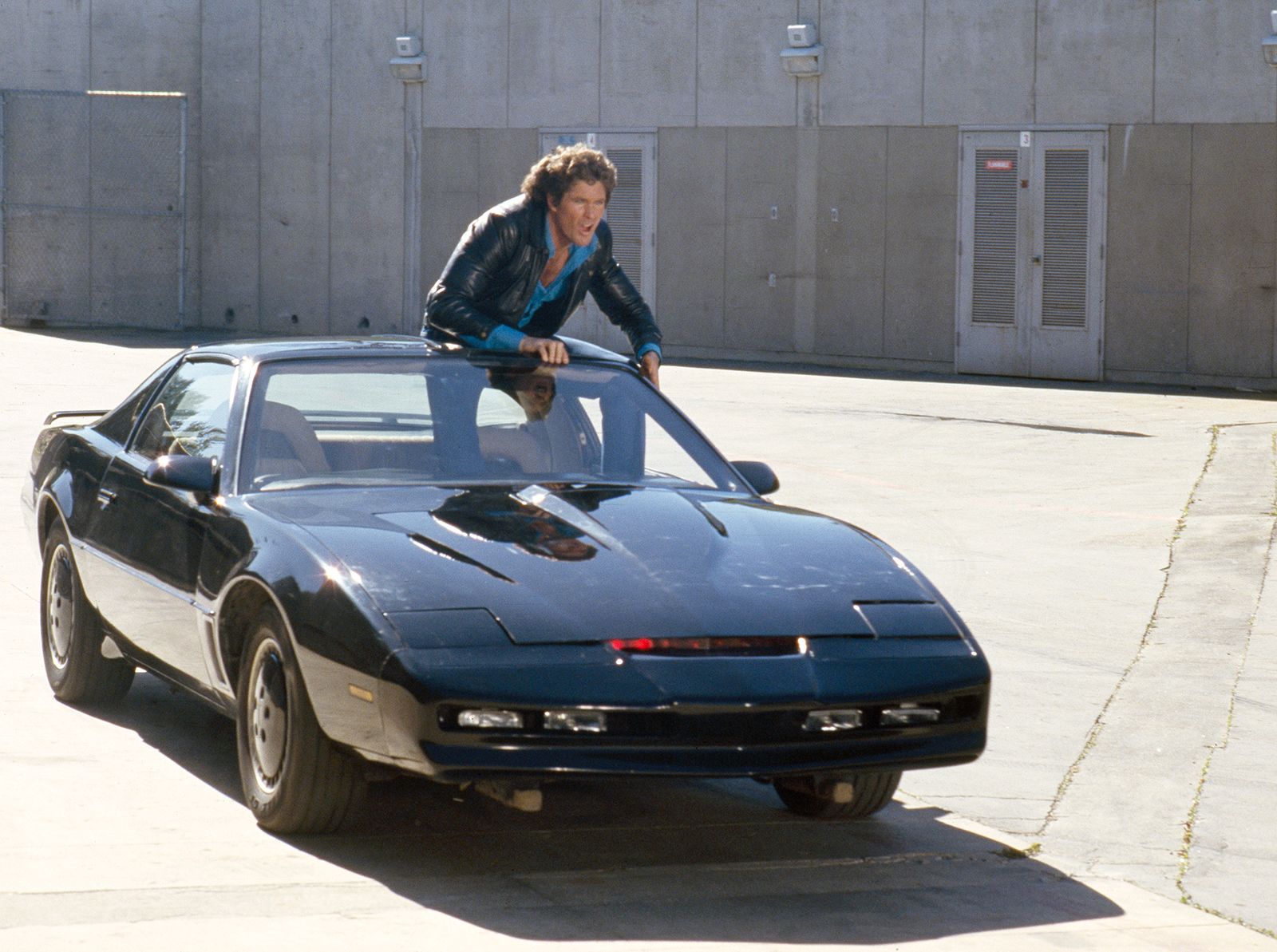

When I was a kid, there was a TV show called 'Knight Rider'. I didn’t just enjoy it. I trusted it.
The car was black, steady, contained. The red light on the front moved back and forth with a rhythm that felt alive and predictable. I didn’t know why it mattered to me. I just knew that when I watched it, something in my body settled. Everything felt organized. Intact.
Then the car changed.
It was framed as an upgrade. New color. New look. Same role in the story.
And I cried.
I wasn’t confused because the show changed. I was confused because my body reacted before my mind could explain it. Something that had been stable, something my system had quietly oriented around, was suddenly different. The container changed. The rhythm no longer matched what my body had learned to trust.
At the time, I had no language for that experience. Most of us don’t. As children, we don’t analyze stability, regulation, or safety. We feel them. Our nervous system learns through pattern, tone, repetition, and consistency. When those patterns hold, we relax into them. When they shift suddenly, even subtly, the body adapts.
That adaptation is not intellectual. It’s physical.
And it doesn’t disappear just because we grow up.
Many people walk through life believing their tension, pain, anxiety, or exhaustion started with an injury, a stressful job, or getting older. But often, the body is responding to much older changes. Moments when something familiar shifted and the system learned to brace, guard, or stay alert just in case.
A home that changed.
A relationship that became unpredictable.
A role that suddenly carried pressure.
A body that stopped feeling reliable.
Those moments don’t always register as trauma in the traditional sense. But the nervous system doesn’t categorize experiences the way the mind does. It simply remembers what it had to do to stay functional.
Over time, those adaptations become patterns.
This is what shows up in my massage sessions.
People come in for physical reasons, tight shoulders, low back pain, chronic stiffness, recurring issues that never fully resolve. What we often uncover is not just tension, but history. Not memories necessarily, but ingrained ways the body learned to organize itself.
Holding that no longer matches the present.
Guarding without an active threat.
Pressure patterns that never fully redistribute.
When the work is slow enough and precise enough, something shifts. The body recognizes itself again. Sensation returns to places that have been quiet for years. Breathing changes. Movement feels easier without being forced. Sometimes emotions surface. Sometimes there’s simply a deep sense of relief that doesn’t have a story attached to it.
This is the benefit of the work I do.
Not just short-term relief, but restored communication between the body and mind. When that connection comes back online, people start making changes without trying. Posture improves because the body feels supported. Pain softens because it no longer needs to signal danger. Decisions in life become clearer because the nervous system isn’t constantly compensating in the background.
Clients often tell me they feel more like themselves again.
That’s not an accident.
When the system remembers what coherence feels like, it naturally moves toward it. Healing doesn’t stop when the session ends. It continues in how you move, breathe, rest, and respond to life.
What happened to me as a kid wasn’t about a TV car. It was about losing a felt sense of stability before I had words for it.
What I offer now is the opposite.
A space where the body can recognize safety, integrity, and internal authority again. From that place, change doesn’t need to be forced. The system already knows what to do.
Disclaimer: This website is independently owned and operated by Ben Johnston Intuitive Wisdom LLC. All content, ideas, and opinions expressed here are my own and do not reflect the views, policies, or practices of any other parties.
